The office of the Office of the Auditor-General has raised glaring gaps in the Bomet County Climate Change Fund, raising concerns over financial reporting, expenditure accuracy and budget performance for the 2024/2025 financial year.
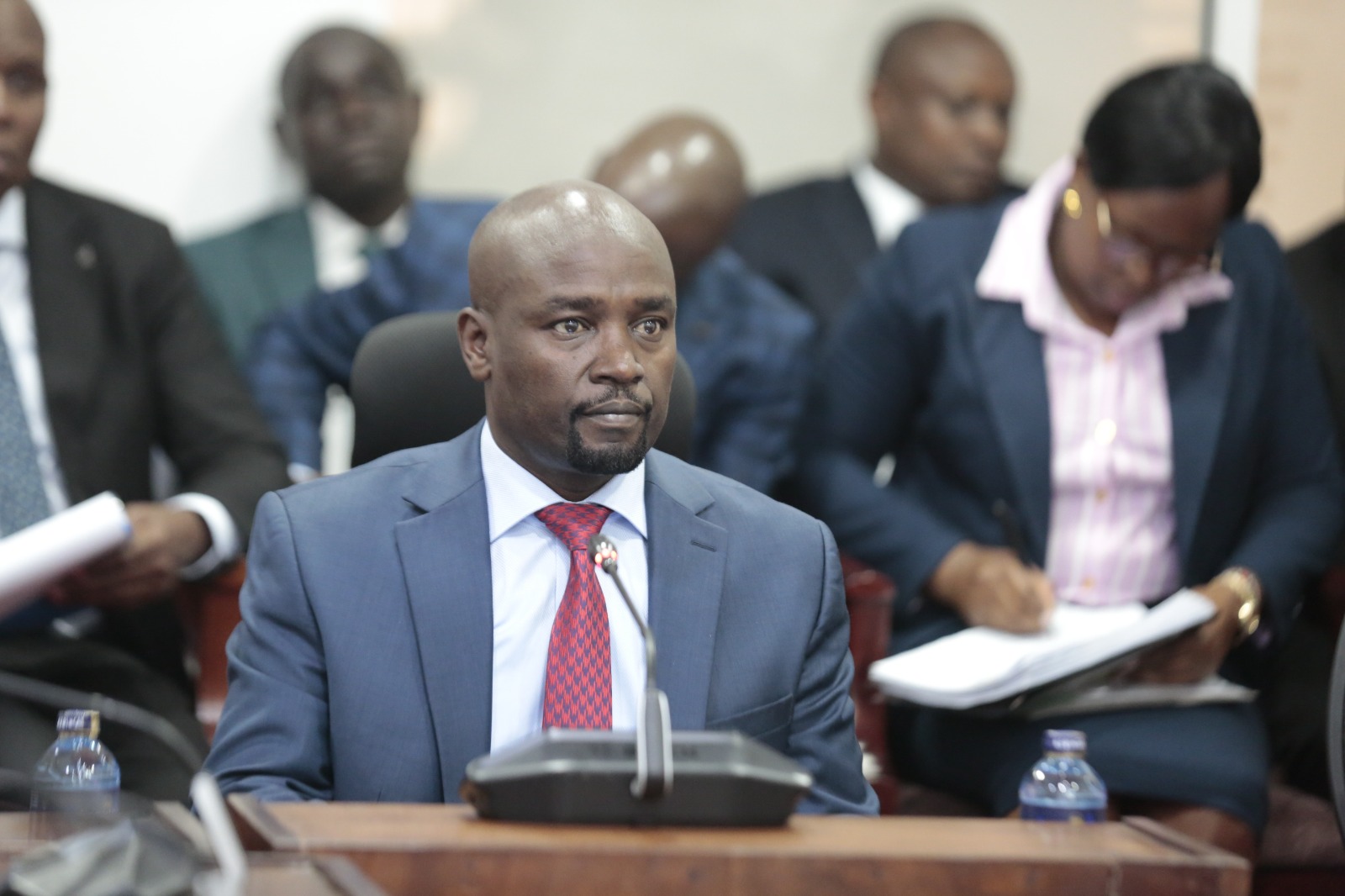
When he appeared before the Senate County Public Investments and Special Funds Committee, chaired by Godfrey Osotsi, Bomet Governor Hilary Barchok acknowledged several anomalies, including unreconciled donor funds, unsupported trade payables and discrepancies in development expenditure.
On donor funding, the audit flagged a major inconsistency involving contributions and donations amounting to Sh76 million.
“The statement of financial performance, as disclosed in the financial statements, reflects public contributions and donations amounting to Sh76,063,344 from development partners,” the Auditor-General told senators.
He added that a review of the financial statements for the donor project management unit revealed nil donations, resulting in an unreconciled variance of Sh76,063,344. The report stated that the accuracy and completeness of the public contributions and donations could not be confirmed.
Barchok told senators the discrepancy was identified after the audit had already been finalised and promised corrective action.
“A reconciliation has been done and shall be restated in the financial statements for the 2025/2026 financial year under the comparative period,” he said.
The audit also raised concerns over trade payables totaling Sh39.2 million, citing lack of adequate supporting documentation. Barchok maintained that the liabilities were backed by schedules and payment vouchers, but auditors reported missing key documents such as invoices, delivery notes and service orders.
The report stated that particulars of creditors, invoice numbers, delivery notes and local service or purchase order numbers were not provided for audit review, meaning the accuracy, completeness and existence of trade payables totaling Sh39,289,128 could not be confirmed.
Further scrutiny was directed at development expenditure adjustments, where inconsistencies of up to Sh100 million were identified.
The audit indicated that errors in recomputation led to overstatement of figures, casting doubt on the reliability of reported development spending.
On budget performance, the fund reported significant underfunding and under-expenditure, which it attributed to delays in legislative processes and disbursement of funds.
Barchok explained that the underfunding resulted from the late passage of the County Additional Allocation Act, which delayed the disbursement of funds from donors.
The delayed funding had a ripple effect on programme implementation. According to the report, funds were received towards the end of the financial year, resulting in underutilization and negatively impacting service delivery and planned activities.
Financial data shows that the fund had a final revenue budget of Sh613.7 million, but only realized Sh232 million, translating to an underfunding of Sh381.6 million, or 62 percent of the budget.
Similarly, expenditure stood at Sh290.3 million against the same budget, resulting in an under-expenditure of Sh323.3 million, or 53 percent.
The audit report noted that these gaps may have significantly undermined the delivery of climate action programmes in the county, raising questions about financial controls and accountability in the management of climate funds.
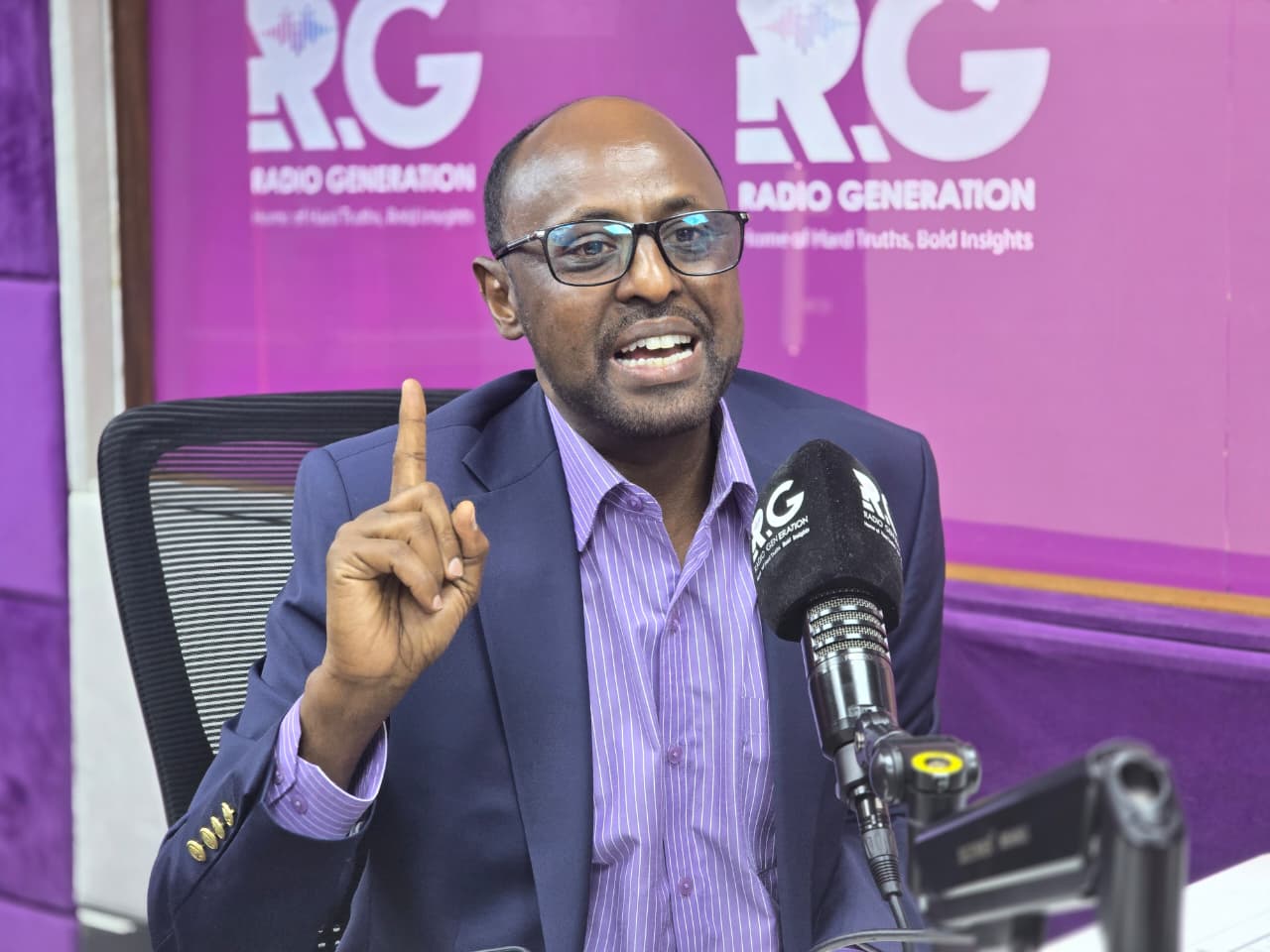
Sessional committee chairperson William Kisang questioned why the governor takes a long time to submit the budget to the county assembly for approval and urged him to work closely with the assembly to ensure compliance.
Mungai Mbugua, a nominated senator from United Democratic Alliance, also urged the governor to take audit queries seriously to avoid recurring issues before the Senate.